



Sustainability & Conscious Catering in Morocco
1. Local Farmer Partnerships
Supporting Morocco’s agricultural heritage while reducing transport impact
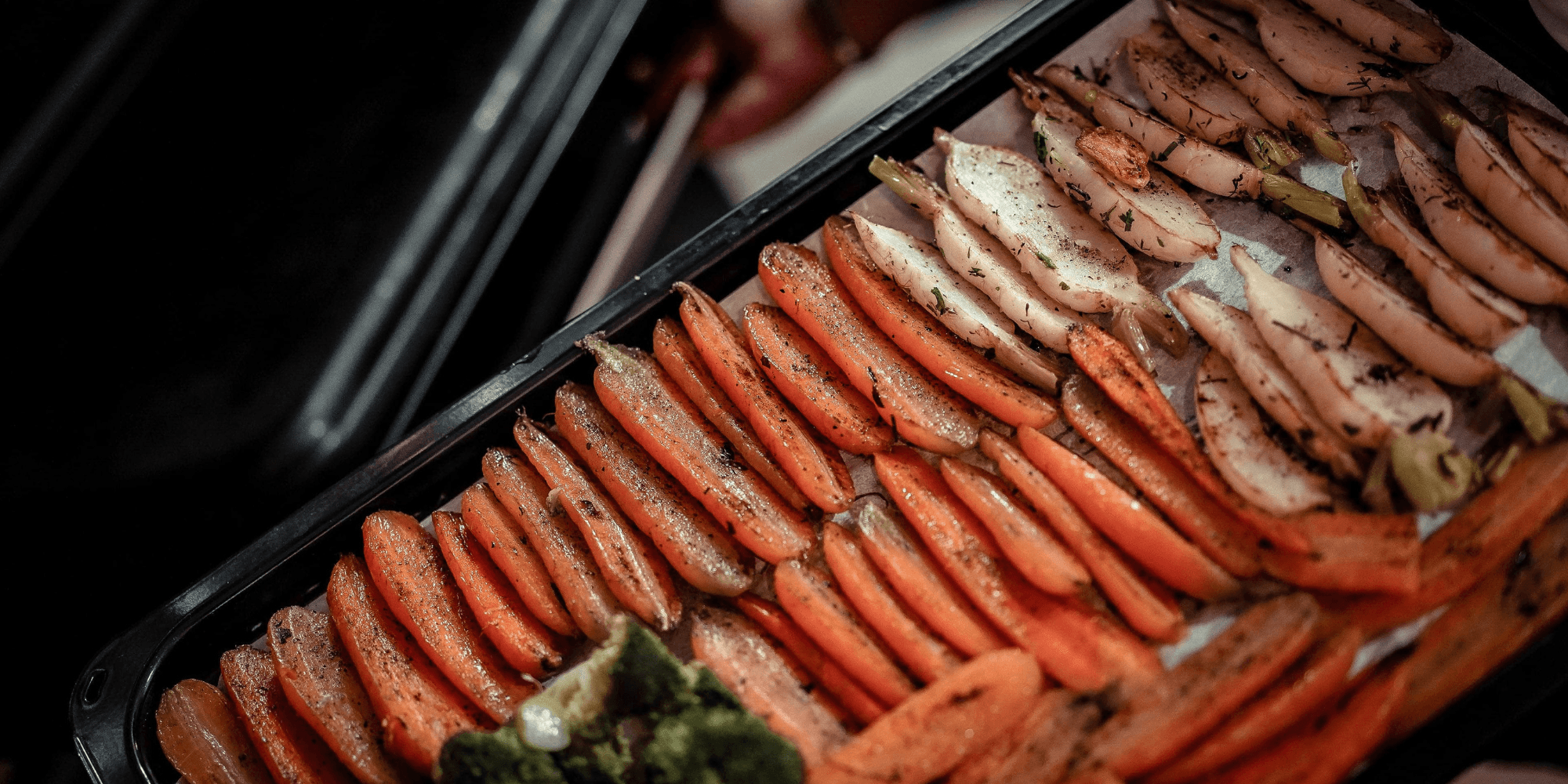
Sourcing ingredients directly from Moroccan farmers is one of the most powerful ways to build a sustainable catering model. Working with growers in the Atlas Mountains, Ourika Valley, Agafay, and surrounding regions ensures fresher produce, reduces transport emissions, and financially strengthens rural communities. For luxury events, farm partnerships also mean access to unique varieties of herbs, seasonal vegetables, artisanal cheeses, saffron, citrus, and olive oils — elevating menus with terroir-driven flavor while keeping supply chains ethical and transparent.
2. Zero-Waste Kitchen Practices
Transforming thoughtful preparation into planet-friendly outcomes
Zero-waste cooking is becoming a defining pillar of conscious catering in Marrakech. This includes nose-to-tail and root-to-leaf usage, rethinking portioning, transforming trimmings into stocks, oils, and infusions, and carefully planning menus to eliminate excess. Beyond the menu, luxury caterers are reducing single-use plastics, composting organic waste when possible, and donating surplus meals responsibly. The goal is simple: spectacular food with minimal footprint.
3. Seasonal Menus With a Lower Carbon Footprint
Nature sets the menu, and guests taste the difference
Seasonality is one of Morocco’s greatest assets. Menus built around harvest cycles naturally reduce refrigeration, imports, and spoilage. Spring artichokes, summer figs and melons, autumn pomegranates, winter citrus, local olives, and wild herbs — when chefs build menus around what the region is producing at its best, sustainability and flavor go hand in hand. For destination weddings, seasonal menus also offer an authentic sense of place, allowing guests to experience Morocco’s natural rhythm through every dish.
4. Reusable, Recyclable & Compostable Serviceware
Luxury that respects the environment
High-end events in Marrakech are moving away from disposable materials, opting instead for reusable ceramicware, glassware, and metal serveware whenever possible — or compostable alternatives when logistics require single-use items. For outdoor events in the desert or Palmeraie, eco-friendly serviceware ensures the landscape stays protected while maintaining a refined, modern aesthetic.
“Sustainability isn’t a trend, it’s our responsibility. Moroccan cuisine has always respected seasonality and resourcefulness. Modern catering simply brings those values forward with intention and creativity.” - Chef Driss Mellal
Leave a Reply